Categories Garage Door Tips

Smart Garage Openers: Why You Need One This Winter

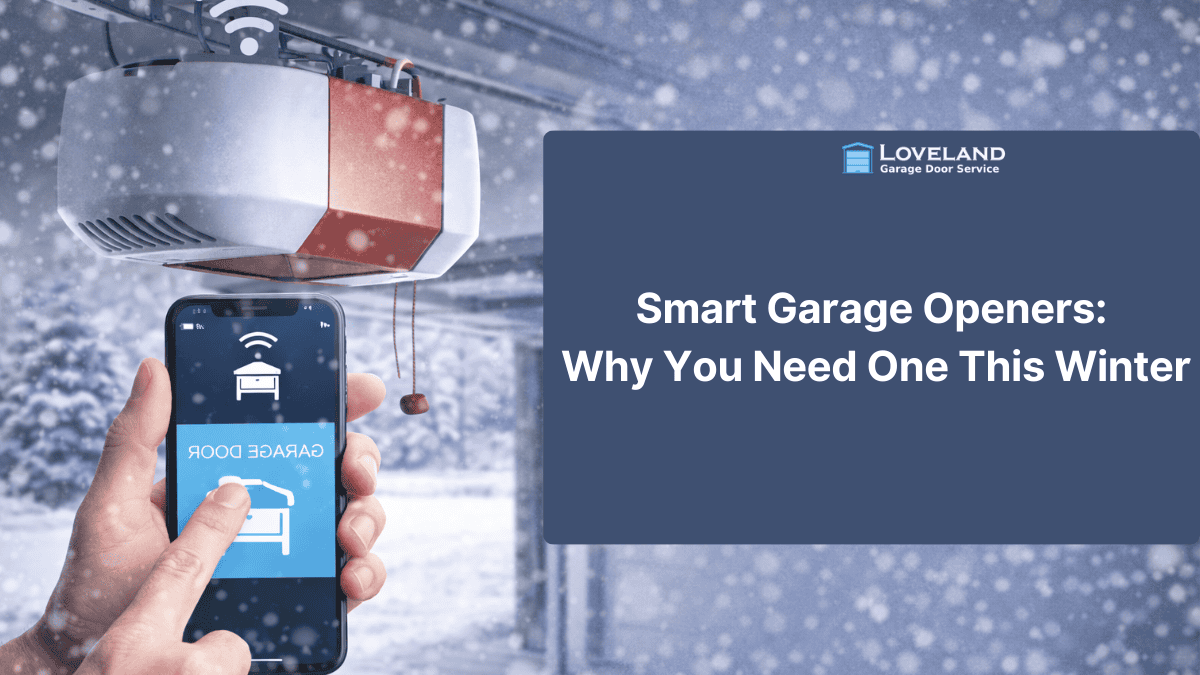
smart garage opener controlled by smartphone in winter

Winter brings more than cold temperatures—it brings snow, ice, and unexpected hassles for homeowners. One of the most common winter frustrations is dealing with a garage door that won’t open when you need it most. This is where smart garage openers make a real difference.

A smart garage door opener adds convenience, safety, and reliability during cold weather. In this article, you’ll learn what smart garage openers are, how they work, and why upgrading before or during winter is a smart move.

What Is a Smart Garage Door Opener?

A smart garage opener connects your garage door to your smartphone using Wi-Fi. Through a mobile app, you can:

  • Open or close your garage door remotely
  • If the door is open, make sure that it is closed
  • Receive real-time alerts
  • Control access for family members or deliveries

These features become especially valuable in winter, when weather conditions are unpredictable.

Why Winter Is Hard on Traditional Garage Openers

Garage door systems are put under extra strain during cold weather:

  • Metal parts contract in low temperatures
  • Lubricants thicken, increasing resistance
  • Ice and snow add weight and friction
  • Power outages and voltage drops occur more often

Traditional openers may struggle under these conditions, leading to slow operation or failure. Smart garage openers are designed with modern motors, sensors, and monitoring features that help reduce winter-related issues.

Top Reasons You Need a Smart Garage Opener This Winter

  1. No More Standing Outside in the Cold

With a smart opener, you can open or close your garage door from your phone—whether you’re in your car, inside your house, or even away from home. This means:

  • No stepping out into snow or freezing wind
  • No struggling with frozen keypads or remotes

Convenience alone makes it a winter essential.

  1. Real-Time Alerts Improve Winter Safety

Smart garage openers send instant notifications if:

  • The door opens unexpectedly
  • The door is left open too long
  • There’s an interruption during operation

In winter, an open garage can quickly lead to frozen pipes, cold air entering your home, or security risks. Alerts help you act fast.

  1. Better Security During Short Winter Days

Winter means longer nights and reduced visibility. Smart openers enhance security by allowing you to:

  • Monitor garage activity remotely
  • Control access without sharing physical remotes
  • Close the door instantly if you forget

This added control provides peace of mind when daylight is limited.

  1. Reliable Performance in Cold Weather

Most smart garage openers use newer, more efficient motors and updated technology. Many models are designed to:

  • Operate smoothly in low temperatures
  • Reduce strain on the door system
  • Detect problems early through diagnostics

This leads to fewer winter breakdowns and smoother daily operation.

  1. Easy Integration with Smart Home Systems

Smart garage openers often integrate with:

  • Smart speakers
  • Home security systems
  • Smart lighting and cameras

For example, you can automatically turn on lights when the garage door opens—especially useful on dark winter evenings.

How Smart Garage Openers Help Prevent Winter Problems

A smart opener doesn’t just add convenience—it helps prevent common winter issues:

  • Alerts notify you before problems get worse
  • Monitoring helps detect unusual behavior
  • Reduced strain extends the life of springs and motors

Early awareness can save you from emergency repairs during freezing temperatures.

Is Your Garage Door Compatible with a Smart Opener?

There are a lot of smart openers available for garage doors today. However, the door must:

  • Be properly balanced
  • Have functional safety sensors
  • Be in good mechanical condition

If your door is old or struggling, upgrading the opener and servicing the door together delivers the best winter performance.

When Is the Best Time to Upgrade?

Winter is actually a great time to upgrade because:

  • You’ll immediately benefit from smart features
  • You avoid mid-winter failures
  • You improve safety and comfort right away

Waiting until spring may mean dealing with avoidable winter issues.

Final Thoughts

A smart garage opener is more than a convenience—it’s a practical upgrade that improves security, reliability, and comfort during winter. From remote access to real-time alerts, smart technology helps you stay in control when cold weather makes everyday tasks harder.

If you’re searching for a dependable garage door solution, call us (970) 367-8600 or contact us today. We can help you choose and install the right smart garage opener to keep your home safe, warm, and connected all winter long.

Categories Garage Door Tips

Don’t Let the Cold Win: A Winter Lubrication Checklist for Garage Doors

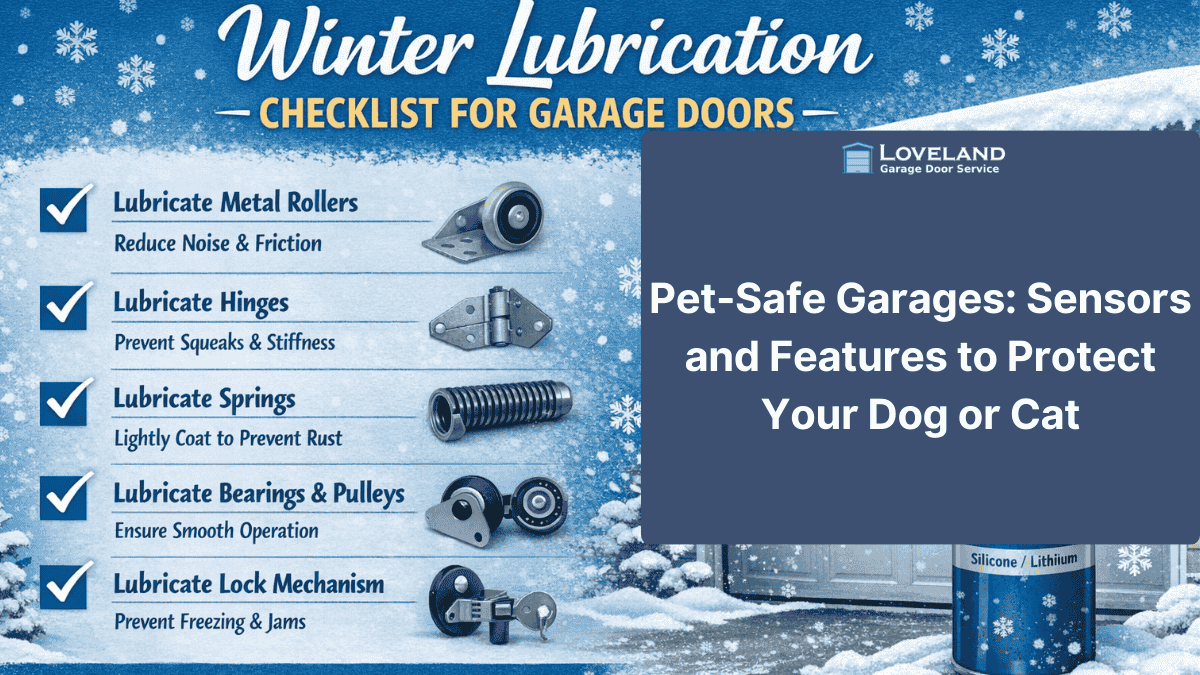
winter lubrication checklist for garage doors infographic

Winter is tough on garage doors. Freezing temperatures, moisture, and ice can turn a smooth-operating system into a noisy, sluggish, or completely stuck door. One of the simplest and most effective ways to prevent winter garage door problems is proper lubrication—done at the right time, on the right parts, with the right products.

This article provides a clear, homeowner-friendly winter lubrication checklist to help keep your garage door running safely and smoothly throughout the cold season. It focuses on simple, effective steps you can take to reduce wear, prevent freezing issues, and avoid unexpected winter breakdowns.

Why Winter Lubrication Is So Important

Cold weather affects garage doors more than most people realize:

  • Metal contracts, increasing friction
  • Old grease thickens and slows movement
  • Moisture freezes, causing parts to stick
  • Dry components wear out faster

Without proper lubrication, your garage door opener works harder, parts wear prematurely, and the risk of breakdowns increases—often on the coldest mornings.

When Should You Lubricate Your Garage Door?

The best time is late fall, before temperatures consistently drop below freezing. If winter has already started, you can still lubricate as long as the door is dry and above freezing during application.

Tip: Avoid lubricating during snow or rain, as moisture can trap dirt and reduce effectiveness.

What Lubricant Should You Use?

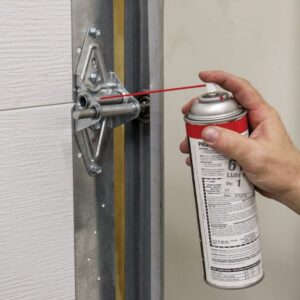
lubricating garage door rollers in winter

Use only:

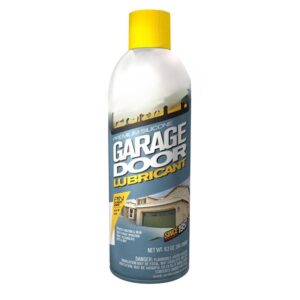
  • Silicone-based spray lubricant, or
  • White lithium grease (garage-door safe)

❌ Avoid:

  • You don’t want to use WD-40 as a long-term lubricant, since it’s a cleaner
  • Heavy automotive grease
  • Oil that attracts dust and dirt

Using the wrong product can make winter problems worse.

Winter Lubrication Checklist for Garage Doors


garage door hinge lubrication cold weather

  1. Rollers (Metal Only)

Apply lubricant to the bearings inside metal rollers.

  • Reduces noise and resistance
  • Helps rollers move smoothly in cold weather

⚠️ Do not lubricate nylon rollers unless they have exposed bearings.

  1. Hinges

Hinges flex every time the door opens or closes.

  • Spray lubricant at pivot points
  • Prevents stiffness and squeaking

Well-lubricated hinges reduce strain on the entire door system.

  1. Springs (Torsion or Extension)

Garage door springs are especially vulnerable in cold weather.

  • Lightly coat the spring coils
  • Helps prevent rust and metal fatigue
  • Allows smoother expansion and contraction

Never adjust or repair springs yourself—lubrication only.

  1. Bearings and Pulleys

These parts often go unnoticed but are critical in winter.

  • Apply a small amount of lubricant
  • Prevents grinding and seizing

Quiet operation is a sign these parts are well maintained.

  1. Lock Mechanism (If Manual Lock Exists)

Cold weather can freeze locks.

  • Lubricate the locking bars and keyhole
  • Prevents jamming and corrosion

This is especially important for detached garages.

Parts You Should NOT Lubricate

  • Tracks: Clean them, but do not lubricate
  • Safety sensors: Keep lenses clean and dry
  • Belts or chains: Lubricate only if manufacturer recommends it

Lubricating the wrong parts can attract dirt and cause slipping.

Step-by-Step: How to Lubricate Safely

  1. Close the garage door fully
  2. Disconnect the opener (optional but safer)
  3. Clean dirt and debris from parts
  4. Apply lubricant lightly—less is more
  5. Open and close the door a few times to spread lubricant
  6. Wipe away excess spray

The entire process usually takes 15–20 minutes.

Signs Your Garage Door Needs Lubrication Now

  • Loud squeaking or grinding sounds
  • Jerky or slow movement
  • Door struggles to open in cold mornings
  • Increased vibration during operation

If you notice these signs, lubrication should be done immediately.

How Often Should You Lubricate in Winter?

  • Once before winter starts
  • Once mid-winter if temperatures are extreme
  • Any time the door becomes noisy or stiff

Regular lubrication extends the life of your garage door system.

Final Thoughts

Cold weather doesn’t have to win. If your garage door is properly lubricated, it will operate quietly, safely, and reliably, even during winter. By following this winter lubrication checklist, you reduce wear, prevent breakdowns, and protect your investment all season long.

If you’re searching for a dependable garage door solution or prefer professional winter maintenance, call us (970) 367-8600 or contact us today. Expert care ensures your garage door stays smooth, secure, and winter-ready when you need it most.