Categories Garage Door Tips

Steel Garage Doors for Residential Homes: Advantages and Cost Breakdown

Steel Garage Doors for Residential Homes

Steel garage doors have become a top choice for homeowners looking for durability, security, and style. Whether you’re upgrading an old garage door or installing one in a new home, steel doors offer a blend of affordability and strength that makes them a worthwhile investment. In this guide, we’ll explore the key advantages of steel garage doors and break down their costs to help you make an informed decision.

Advantages of Steel Garage Doors

  1. Durability and Strength

Steel garage doors are incredibly strong and resistant to impacts, dents, and harsh weather conditions. Unlike wood, which can warp or crack over time, steel maintains its structure and appearance for years.

  1. Low Maintenance

One of the biggest benefits of steel garage doors is their low maintenance. Unlike wooden doors that require regular staining or painting, steel doors often come with a factory-applied finish that resists rust and fading. A simple wash with soap and water is enough to keep them looking new.

  1. Enhanced Security

Steel doors offer enhanced security over other materials, providing superior protection against break-ins and external threats. Their solid construction makes it difficult for intruders to break in, adding an extra layer of protection to your home. Many models also support smart locks and security systems for enhanced safety.

  1. Energy Efficiency and Insulation

Steel garage doors can be insulated to improve energy efficiency, helping to maintain indoor temperatures. Insulated steel doors are especially useful in extreme climates, reducing heating and cooling costs while making your garage a more comfortable space.

  1. Variety of Styles and Designs

Modern steel garage doors come in a wide range of styles, colors, and finishes. Whether you prefer a sleek contemporary look or a design that mimics wood, there’s an option to match your home’s aesthetic.

  1. Cost-Effective Solution

Compared to wooden or fiberglass garage doors, steel options are generally more affordable. They offer a great balance between price, longevity, and performance, making them a cost-effective choice for homeowners.

Cost Breakdown of Steel Garage Doors

  1. Basic Non-Insulated Steel Garage Doors
  • Price Range: $500 – $1,500
  • Best for homeowners on a budget who don’t require insulation. These doors are lightweight and suitable for mild climates.
  1. Insulated Steel Garage Doors
  • Price Range: $800 – $2,500
  • Ideal for homes in areas with extreme weather. These doors help regulate indoor temperature and reduce noise.
  1. Custom and High-End Steel Garage Doors
  • Price Range: $2,000 – $5,000+
  • Includes premium designs, wood grain finishes, smart technology integration, and heavy-duty insulation. These doors enhance curb appeal and provide top-tier security.
  1. Installation Costs
  • Professional installation: $300 – $1,000 (varies based on complexity and location).
  • DIY installation: Possible, but not recommended unless you have experience.

Factors Affecting the Cost

  • Size of the Door: Larger doors cost more due to increased material and labor requirements.
  • Insulation Type: Higher-quality insulation adds to the cost but improves energy efficiency.
  • Customization & Features: Decorative windows, smart locks, and unique finishes can increase the price.
  • Brand & Warranty: Well-known brands and extended warranties typically add to the cost but provide better reliability.

Conclusion

Steel garage doors are a smart investment for homeowners seeking durability, security, and style without excessive maintenance. They come in various styles and price ranges, making it easy to find an option that fits your budget and needs. Whether you opt for a basic model or a high-end insulated version, a steel garage door enhances your home’s value and functionality.

Find the Ideal Steel Garage Door for Your Home

Looking for a new garage door in Loveland., Colorado? Loveland Garage Door Service offers expertly crafted steel garage doors tailored to your needs. Our team will help you choose a custom design that enhances both the security and style of your home. Contact us or Call us (970) 367-8600 today for a consultation and quote, and experience the benefits of a high-quality steel garage door firsthand!

Categories Garage Door Tips

Choosing the Right Garage Door Panels for Better Insulation and Security

Best Materials for Insulated Garage Door Panels

Selecting the right garage door panels is crucial for enhancing both insulation and security. Homeowners often overlook this aspect, but the right choice can significantly impact energy efficiency, durability, and protection against intrusions. With various materials and designs available, understanding the best options can help you make an informed decision.

Importance of Insulated Garage Door Panels

Garage doors are one of the largest openings in a home, making insulation a key factor in maintaining indoor temperatures. Well-insulated panels help regulate temperature fluctuations, reducing energy costs and preventing heat loss during winter or excessive heat buildup in summer. Insulated garage doors are particularly beneficial if your garage is attached to your home or used as a workspace.

Best Materials for Insulated Garage Door Panels

  1. Steel Panels with Insulation – Steel is one of the most durable and secure materials. When paired with polyurethane or polystyrene insulation, steel garage door panels provide superior thermal resistance and enhanced protection.
  2. Aluminum Panels with Insulation – Lightweight and rust-resistant, aluminum panels with an insulated core can offer moderate energy efficiency while maintaining a sleek, modern look.
  3. Wood Panels with Insulation – Wooden garage doors add a classic aesthetic, and when combined with insulation layers, they improve energy efficiency. However, they require more maintenance than metal options.
  4. Fiberglass or Composite Panels – These materials can mimic the appearance of wood while offering better resistance to weather conditions. Insulated composite panels provide a balance of durability and energy efficiency.

How Garage Door Panels Improve Security

Choosing the right panels also impacts the security of your home. Thicker and more durable materials prevent break-ins and enhance overall safety. Key factors to consider include:

  • Reinforced Steel or Composite Materials – These options offer high resistance against forced entry.
  • Multi-Layered Construction – Doors with multiple layers, such as steel-polyurethane-steel combinations, provide superior strength and insulation.
  • Smart Locking Mechanisms – Some modern garage doors feature built-in smart locks and security technology to prevent unauthorized access.
  • Impact-Resistant Panels – If security is a primary concern, impact-resistant panels offer better protection against external forces and potential damage.

Weather Resistance and Longevity

Garage door panels are exposed to harsh weather conditions, making durability a crucial factor. High-quality materials resist warping, cracking, and corrosion. Weather-resistant coatings or galvanized steel construction ensure long-term performance. Seals and weatherstripping along the edges further enhance insulation and security.

Choosing the Right Panel Design

The design of garage door panels also contributes to insulation and security. Solid panels with fewer joints and seams minimize air leaks, improving thermal efficiency. Additionally, raised-panel, flush-panel, and carriage-house styles allow homeowners to match aesthetics with functionality.

For enhanced visibility and natural light, some homeowners opt for garage doors with windows. However, choosing reinforced or frosted glass helps maintain security and insulation.

Final Considerations When Selecting Garage Door Panels

Before making a purchase, consider the following:

  • Climate Conditions – If you live in extreme weather conditions, opt for highly insulated and weather-resistant panels.
  • Budget and Maintenance – Steel and composite materials offer durability with minimal maintenance, while wood requires regular upkeep.
  • Security Features – Ensure the panels are strong enough to withstand impact and potential break-ins.
  • Professional Installation – Proper installation ensures optimal performance, insulation, and security benefits.

Upgrading to the right garage door panels is a smart investment that enhances home efficiency, comfort, and security. By selecting high-quality materials and insulated designs, you can protect your property while reducing energy costs. Whether you prioritize durability, energy savings, or aesthetic appeal, the right panels will provide long-term benefits for your home.

Why Choose Loveland Garage Door Service?

At Loveland Garage Door Service, we provide top-quality garage door solutions, including insulated panels designed for maximum energy efficiency and security. Our expert team ensures seamless installation and long-lasting performance. Whether you need a new garage door or an upgrade, trust us for the best service and reliable products. Contact us today to enhance your home’s security and insulation!

Categories Garage Door Tips

Why Commercial Roll-Up Garage Doors Are a Smart Investment for Your Business

Cost Breakdown of Commercial Roll-Up Garage Doors

When it comes to protecting your business, maximizing space, and improving efficiency, have you considered investing in a commercial roll-up garage door? Many business owners overlook the impact of their choice of garage doors, but the right one can make a world of difference. So, why are roll-up garage doors the preferred choice for businesses across various industries? Let’s dive in!

Durability and Longevity – Can Your Current Door Withstand Heavy Use?

Does your garage door hold up well against daily operations and harsh weather? If not, a commercial roll-up garage door might be the solution. Built from high-quality steel or aluminum, these doors are designed to withstand heavy traffic and extreme conditions. Unlike traditional garage doors with multiple panels and hinges, roll-up doors operate as a single sheet, minimizing wear and tear. The result? A long-lasting, low-maintenance solution that saves you money over time.

Enhanced Security – Is Your Business Truly Protected?

Wouldn’t you want a door that actively deters break-ins? Security is a top priority for any business, and roll-up garage doors offer a high level of protection. Their sturdy metal construction makes them resistant to forced entry, vandalism, and harsh environmental conditions. Many models come with reinforced locking mechanisms and security upgrades to ensure your inventory, equipment, and business assets remain safe.

Space-Saving Design – Are You Maximizing Your Workspace?

Do you struggle with space constraints in your facility? Traditional garage doors require room to swing or slide open, but roll-up doors coil neatly into a compact overhead storage area, freeing up valuable space. This design is especially useful for warehouses, auto repair shops, and retail businesses where every square foot counts.

Energy Efficiency and Insulation – Are You Wasting Money on Energy Bills?

Have you noticed rising energy costs in your business? If your current garage door lacks insulation, you could be losing money every month. Insulated roll-up garage doors help regulate indoor temperatures, reducing heating and cooling costs. Whether you store perishable goods or operate in extreme climates, an insulated roll-up door can make a noticeable difference in energy efficiency.

Low Maintenance and Cost Savings – Are You Spending Too Much on Repairs?

How often do you need to repair your garage door? If the answer is “too often,” it’s time to consider an upgrade. Roll-up garage doors are built for heavy-duty use with minimal moving parts, meaning fewer breakdowns and lower maintenance costs. With occasional lubrication and inspections, these doors can last decades, offering a strong return on investment.

Customizable for Business Needs – Does Your Door Fit Your Industry’s Requirements?

Is your garage door meeting your specific business needs? Commercial roll-up doors come in various styles, materials, and security options, allowing businesses to tailor them to their operations. Some models feature perforated slats for ventilation, fire-resistant coatings, or high-speed opening mechanisms to suit different industries. Whether you need enhanced security or climate control, there’s a roll-up door that fits your needs.

Cost of Commercial Roll-Up Garage Doors – How Much Should You Budget?

Are roll-up garage doors expensive? The cost varies depending on size, material, insulation, and additional features. Here’s a breakdown of typical costs:

  • Basic Non-Insulated Doors: $1,000–$3,000 (best for standard warehouses and storage facilities).
  • Insulated Roll-Up Doors: $2,500–$6,000 (ideal for temperature-sensitive environments).
  • High-Security or Fire-Rated Doors: $5,000–$10,000+ (for businesses requiring extra protection).

Installation costs range between $500 and $2,500, with automation and customization adding to the total price. While the upfront investment might seem high, the long-term durability and energy savings make it a cost-effective choice.

Compliance with Safety Regulations – Is Your Business Meeting Industry Standards?

Are you aware of the safety requirements for commercial garage doors? Many roll-up doors are designed to comply with industry regulations, including fire ratings, wind load resistance, and emergency exit requirements. Investing in a compliant roll-up door ensures your business meets legal standards while protecting employees and assets.

Increased Property Value – Does Your Facility Look Professional?

Did you know that upgrading to a high-quality roll-up garage door can increase your property’s value? A well-maintained, durable door enhances the professional appearance of your business, making it more attractive to potential buyers or tenants. It’s a simple yet effective way to boost curb appeal and resale value.

Conclusion – Is a Commercial Roll-Up Garage Door Right for You?

If you’re looking for a secure, durable, and space-efficient solution for your business, commercial roll-up garage doors are a smart investment. Their long lifespan, low maintenance, and energy efficiency provide long-term savings while keeping your operations running smoothly. So, isn’t it time to upgrade and future-proof your business?

Looking to enhance security, efficiency, and durability for your business? Upgrade your commercial garage doors now! Contact us for expert guidance and installation.

📞 Call us today! (970) 367-8600

Categories Garage Door Tips

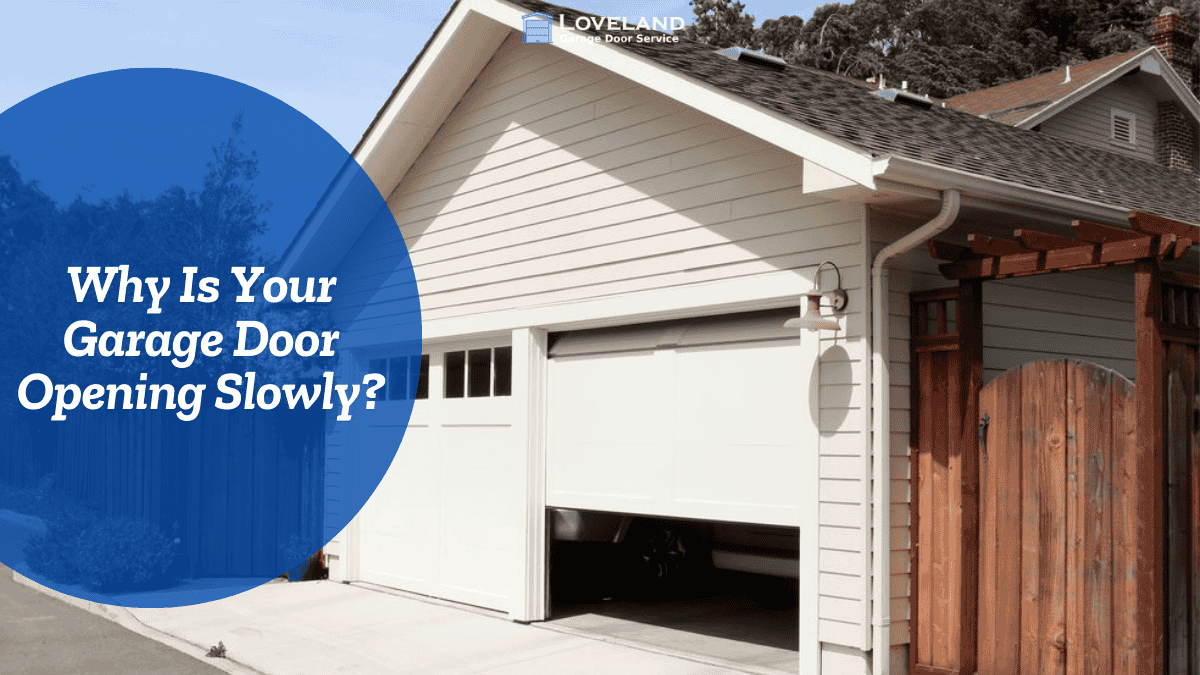
Why Is Your Garage Door Opening Slowly? Common Causes & Fixes

Garage Door Opening Slowly

A slow-moving garage door can be frustrating, especially when you’re in a hurry. If you notice your garage door taking longer than usual to open or close, it’s a sign that something is wrong. Several factors can contribute to this issue, from worn-out components to incorrect settings. Let’s dive into the most common causes and their solutions.

Common Causes of a Slow Garage Door

  1. Lack of Lubrication

Friction is one of the main culprits behind a slow garage door. Over time, the moving parts—rollers, tracks, and hinges—can dry out, causing resistance.

How to Fix:

Apply a high-quality silicone-based lubricant to all moving parts, including the rollers, tracks, and hinges. Avoid using grease or WD-40, as they attract dust and debris.

  1. Worn-Out Springs

Garage door springs counterbalance the door’s weight, ensuring smooth and effortless operation. If they become worn out or lose tension, the door will struggle to open smoothly.

How to Fix:

Inspect the torsion or extension springs for signs of wear, rust, or breakage. If they appear damaged, hire a professional to replace them, as handling garage door springs can be dangerous.

  1. Dirty or Misaligned Tracks

Dirt, dust, and debris buildup in the garage door tracks can slow down the door’s movement. Additionally, if the tracks are misaligned, the door won’t move efficiently.

How to Fix:

Clean the tracks using a damp cloth and mild detergent. If you notice misalignment, loosen the track screws and gently adjust them before tightening the screws again.

  1. Old or Damaged Rollers

Garage door rollers ensure smooth and efficient movement along the tracks. Over time, they can wear out or accumulate dirt, making the door sluggish.

How to Fix:

Check the rollers for cracks or excessive dirt buildup. If they are worn out, replace them with nylon rollers, which are quieter and more durable than metal ones.

  1. Weak Garage Door Opener Motor

The garage door opener is the motorized component that lifts and lowers the door. If the motor is aging or underpowered, it may struggle to function efficiently.

How to Fix:

First, check the motor’s settings to ensure it’s not set to a lower speed. If the opener is too old, consider upgrading to a more powerful unit.

  1. Incorrect Speed Settings

Most garage door openers come with adjustable speed settings. If your door has always been slow, it’s possible that the settings were programmed to a lower speed.

How to Fix:

Refer to your garage door opener’s manual and adjust the speed settings accordingly.

  1. Cold Weather Effects

In colder months, metal components contract, and lubricants may thicken, causing the door to move more slowly.

How to Fix:

Use a lubricant that remains effective in cold temperatures and keep the garage insulated to minimize temperature fluctuations.

  1. Electrical Issues

If your garage door opener is not receiving enough power, it may operate slower than usual.

How to Fix:

Ensure that the opener is plugged into a properly functioning power source. If the issue persists, consult an electrician to check for wiring problems.

  1. Chain or Belt Tension Problems

A garage door opener that uses a chain or belt drive may experience slack over time, leading to slower operation.

How to Fix:

Inspect the chain or belt and tighten it according to the manufacturer’s guidelines. Avoid overtightening, as this can put unnecessary strain on the motor.

When to Call a Professional

If you’ve tried these fixes and your garage door is still moving slowly, it might be time to call  (970) 367-8600 a garage door technician. A professional can diagnose deeper issues, such as internal motor problems or structural misalignment, that require expert attention.

Final Thoughts

A slow garage door isn’t just an inconvenience—it can indicate underlying problems that need immediate attention. Regular maintenance, proper lubrication, and timely replacements of worn-out components can help keep your garage door functioning smoothly. Addressing these issues early can prevent costly repairs down the road.

Categories Garage Door Tips

Comprehensive Guide to Common Garage Door Repairs in 2025 and Preventative Measures

Comprehensive Guide to Common Garage Door Repairs in 2025

Garage doors serve as a vital entry point to homes, offering security and convenience. However, due to frequent use and exposure to various environmental factors, they are susceptible to wear and tear. In 2025, homeowners are encountering specific garage door issues more frequently. This guide delves into the most prevalent garage door problems of the year and provides detailed preventive strategies to enhance the longevity and functionality of your garage door system.

1. Broken or Worn-Out Springs

Causes

Garage door springs, whether torsion or extension types, are engineered to counterbalance the door’s weight, facilitating smooth operation. Over time, these springs endure immense stress, leading to fatigue and eventual failure. Factors contributing to spring deterioration include:

  • Regular Usage: Continuous opening and closing cycles cause gradual wear.
  • Corrosion: Exposure to moisture can lead to rust, weakening the springs.
  • Temperature Fluctuations: Extreme weather conditions can cause metal expansion and contraction, accelerating wear.
Prevention

To mitigate spring-related issues:

  • Regular Inspections: Periodically check for signs of rust, wear, or imbalance.
  • Lubrication: Apply a high-quality, silicone-based lubricant to the springs every three months to reduce friction and prevent rust.
  • Professional Maintenance: Engage certified technicians annually to assess spring tension and overall condition.

Safety Note: Replacing or adjusting garage door springs is hazardous due to the high tension they hold. Always consult a professional garage door company for repairs or replacements.

2. Malfunctioning Garage Door Openers

Causes

Garage door openers have evolved with technology, yet they remain prone to issues such as:

  • Electrical Failures: Power surges or faulty wiring can disrupt functionality.
  • Worn Gears: Internal components may degrade over time, especially with heavy usage.
  • Sensor Misalignments: Safety sensors can become misaligned, preventing the door from operating correctly.
Prevention

To ensure reliable opener performance:

  • Power Surge Protectors: Install surge protectors to shield the opener’s electrical components.
  • Routine Testing: Regularly test the opener’s response to remote controls and wall switches.
  • Sensor Maintenance: Clean and align sensors monthly to ensure unobstructed operation.

3. Misaligned or Damaged Tracks

Causes

The tracks guide the garage door’s movement. Misalignment or damage can result from:

  • Physical Impacts: Accidental collisions with vehicles or heavy objects.
  • Loose Hardware: Vibrations and regular use can loosen bolts and brackets.
  • Debris Accumulation: Dirt and grime can obstruct the tracks, hindering smooth motion.
Prevention

Maintain track integrity by:

  • Regular Cleaning: Remove debris from tracks monthly using a damp cloth.
  • Hardware Tightening: Inspect and tighten bolts and brackets every six months.
  • Protective Measures: Install guards or barriers to prevent accidental impacts.

4. Worn-Out Rollers and Hinges

Causes

Rollers and hinges facilitate the door’s movement along the tracks. Wear and tear can be attributed to:

  • Lack of Lubrication: Dry components increase friction, leading to faster degradation.
  • Material Fatigue: Continuous use can cause metal fatigue, especially in lower-quality parts.
  • Environmental Factors: Exposure to harsh weather can corrode metal components.
Prevention

Enhance the lifespan of rollers and hinges by:

  • Applying Lubricant: Use a silicone-based lubricant on rollers and hinges every three months.
  • Upgrading Materials: Consider replacing worn parts with high-quality, corrosion-resistant materials.
  • Regular Inspections: Check for signs of wear or rust quarterly and replace components as needed.

5. Faulty Safety Sensors

Causes

Safety sensors prevent the garage door from closing on obstructions. Issues arise due to:

  • Misalignment: Sensors must face each other directly; misalignment disrupts their function.
  • Dirty Lenses: Dust and debris can obscure the sensor lenses, impeding operation.
  • Wiring Problems: Damaged or frayed wires can interrupt the sensor’s signal.
Prevention

Ensure sensor reliability by:

  • Cleaning Lenses: Gently wipe sensor lenses with a soft cloth monthly.
  • Verifying Alignment: Check and adjust sensor positioning regularly to ensure they are properly aligned.
  • Inspecting Wiring: Look for signs of wear or damage in the wiring and consult a professional if issues are found.

6. Frayed or Broken Cables

Causes

Cables work in tandem with springs to lift the garage door. They can deteriorate due to:

  • Wear and Tear: Regular use can cause cables to fray or snap.
  • Corrosion: Moisture exposure leads to rust, weakening the cables.
  • Improper Maintenance: Neglecting regular inspections can allow minor issues to escalate.
Prevention

Preserve cable integrity by:

  • Routine Inspections: Examine cables for fraying or rust every six months.
  • Maintaining Dry Conditions: Ensure the garage area is dry to prevent moisture-related damage.
  • Professional Assessments: Have a technician evaluate cable tension and condition annually.

Safety Note: Due to the high tension in garage door cables, repairs or replacements should only be performed by qualified professionals.

7. Damaged Panels

Causes

Garage door panels can sustain damage from:

  • Accidental Impacts: Bumping into the door with vehicles or equipment.
  • Weather Conditions: Hail, wind, and other elements can cause dents or cracks.
  • Aging Materials: Over time, materials may weaken and become more susceptible to damage.
Prevention

Protect door panels by:

  • Cautious Operation: Be mindful when moving vehicles or heavy equipment near the door.
  • Weatherproofing: Apply protective coatings to shield against environmental damage.
  • Prompt Repairs: Address minor damages immediately to prevent them from worsening.

8. Noisy Operations

Causes

Unusual noises during garage door operation can result from:

  • Loose Hardware: Vibrations can loosen nuts, bolts, and screws.
  • Worn Components: Aging rollers, hinges, or springs may produce noise.
  • Lack of Lubrication: Dry moving parts increase friction, leading to squeaks or grinding sounds.
Prevention

Maintain quiet operation by:

  • Regular Lubrication: Apply lubricant to all moving parts every three months.
  • Tightening Hardware: Inspect and secure all hardware components quarterly.
  • Replacing Worn Parts: Promptly replace any components showing signs of wear or damage.

Conclusion

Proactive maintenance is essential to prevent common garage door issues and extend the lifespan of your system. By adhering to the preventive measures outlined above, homeowners can ensure their garage doors operate safely and efficiently throughout 2025 and beyond. For complex repairs or routine maintenance, always consult a certified garage door professional to guarantee optimal results and safety.