Categories Garage Door Tips

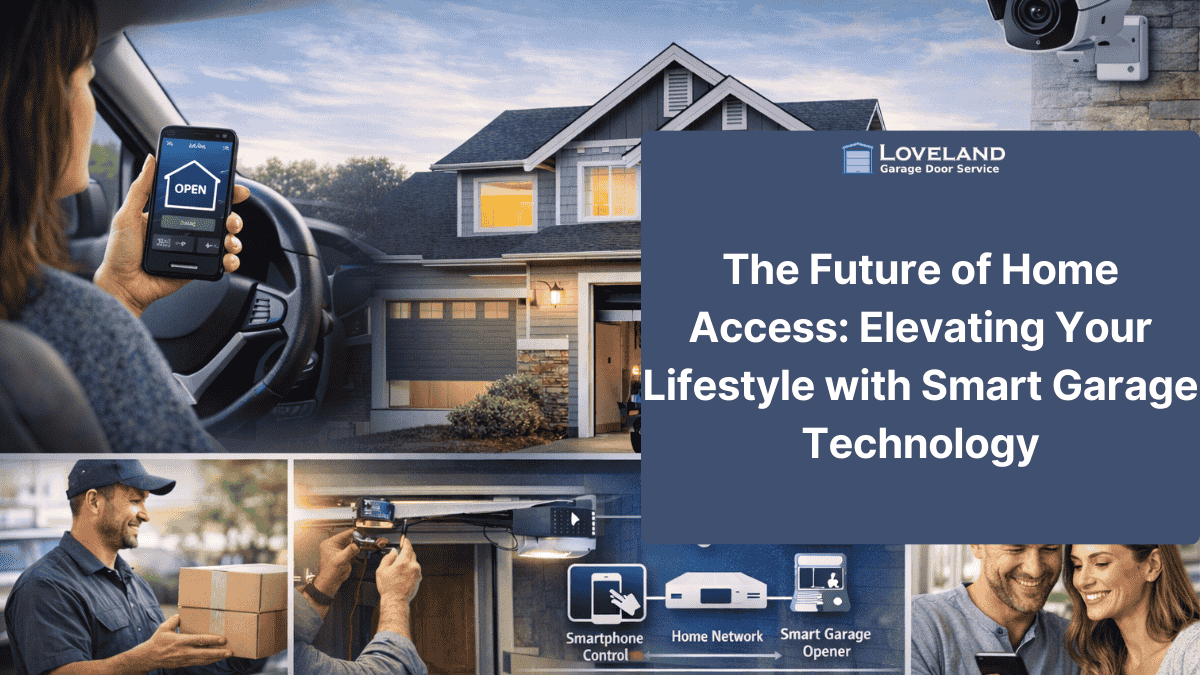
The Future of Home Access: Elevating Your Lifestyle with Smart Garage Technology

Smart-garage-door-app-remote-access

In the modern smart home ecosystem, the garage door is no longer just a heavy slab of steel or wood—it is the primary gateway to your home. As we move through 2026, integrating your garage door with your home’s digital brain has shifted from a luxury to a fundamental standard for security, convenience, and efficiency.

If you are looking to upgrade your home’s entry point, understanding how a Wi-Fi-enabled system transforms your daily routine is the first step toward a smarter, safer household.

When you think of a modern home, you think of clean lines, open spaces, and high-quality materials. Your garage door should be no different. Gone are the days of bulky, ornate panels that hide away your home’s potential. Today’s modern garage doors are designed to be a focal point—blending architectural beauty with the latest in home technology.

Why Homeowners Are Switching to Smart Garage Ecosystems

Traditional openers served a single purpose: opening and closing. Today’s smart systems act as an intelligent concierge. By connecting your garage door to your smartphone and home automation hub, you gain:

  • Ultimate Visibility: Never wonder if you left the door open again. Real-time status updates allow you to monitor your garage from the office, the grocery store, or halfway across the world.
  • Centralized Control: Manage your garage alongside your smart locks, cameras, and thermostats within a single interface, creating a cohesive security shield for your property.
  • Proactive Protection: Receive instant alerts the moment your door is accessed, allowing you to react to unexpected activity immediately.

Transforming Convenience into a Seamless Experience

A smart garage door opener eliminates the minor stresses of daily life. Whether it’s managing deliveries or helping family members, the benefits are immediate:

  1. Secure Package Delivery: Protect your online orders from theft and weather. With integrated access, you can remotely open the door for delivery drivers and watch the drop-off via integrated camera feeds.
  2. Virtual Keys for Guests: Ditch the spare key under the mat. Issue temporary digital permissions to dog walkers, contractors, or visiting relatives that expire when their job is done.
  3. Hands-Free Arrival: Using geofencing technology, your garage can detect your vehicle’s approach and open automatically, welcoming you home without you ever reaching for a remote.

Smart Features for the Modern Homeowner

A modern door isn’t just about looks—it’s about how it fits into your daily life. Our modern systems are built for the 21st century:

  • Wi-Fi Integration: Control your door from your smartphone, receive alerts if it’s left open, and grant access to delivery drivers from anywhere in the world.
  • Ultra-Quiet Operation: Modern openers and insulated panels mean you won’t wake the whole house when you leave for work in the morning.
  • Energy Efficiency: Our triple-layer insulated doors help regulate your garage’s temperature, which is a game-changer if you use your garage as a gym, workshop, or home office.

The Hidden Advantage: Energy Efficiency and Climate Control

One of the most overlooked benefits of modern smart garage technology is its impact on your utility bills. The garage is often the largest unconditioned space in a house, significantly affecting the temperature of adjacent rooms.

  • Smart HVAC Syncing: Advanced systems can communicate with your smart thermostat. If the garage door is left open during a heatwave or a freeze, your HVAC system can adjust to prevent energy waste.
  • Precision Scheduling: Set automated “Close” routines for late at night or during peak temperature hours to ensure your home’s thermal envelope remains intact.

Why Professional Installation is Essential

While many smart home gadgets are “plug-and-play,” a garage door system is a complex mechanical assembly involving high-tension springs and critical safety sensors. To ensure your smart features function correctly:

  • Safety Compliance: Professionals ensure that auto-reverse mechanisms and photo-eye sensors are perfectly aligned to prevent accidents.
  • Connectivity Optimization: A technician can verify that your Wi-Fi signal is strong enough at the motor site to prevent “offline” errors.
  • Warranty Protection: Professional installation typically preserves your manufacturer’s warranty, giving you long-term peace of mind.

Conclusion: Ready for the Next Step?

Smart garage door integration is about more than just a new gadget; it’s about a smarter way to live. By prioritizing security, energy savings, and effortless access, you are investing in the long-term value and safety of your home.

If you’re ready to bring your garage into the future, we can help you choose the perfect Wi-Fi-enabled opener for your specific needs.

At Loveland Garage Door Service, we specialize in seamless smart home integration across Fort Collins, Greeley, and Loveland—call us (970) 367-8600 today to bring your garage into the future.

Categories Garage Door Tips

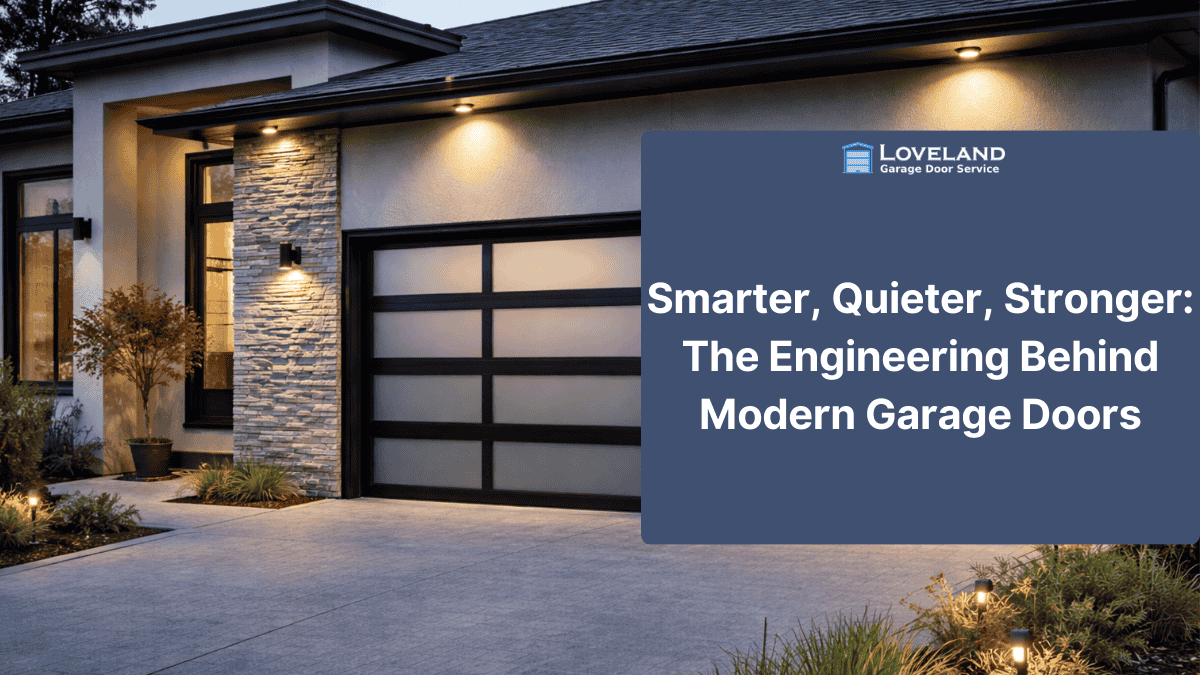
Smarter, Quieter, Stronger: The Engineering Behind Modern Garage Doors

High-Performance Modern Garage Doors for the Contemporary Home

When you think of a modern home, you think of clean lines, open spaces, and high-quality materials. Your garage door should be no different. Gone are the days of bulky, ornate panels that hide away your home’s potential. Today’s modern garage doors are designed to be a focal point—blending architectural beauty with the latest in home technology.

What Makes a Garage Door "Modern"?

“Modern” isn’t just a buzzword; it’s a specific aesthetic that focuses on simplicity and sophistication. Here is how you can spot the difference:

  • Clean, Flush Panels: Instead of traditional “bumpy” or recessed squares, modern doors often feature smooth, flat surfaces.
  • Expansive Glass: Many contemporary designs use full-view glass panels to flood the garage with natural light while giving the exterior a high-end, showroom feel.
  • Minimalist Hardware: While traditional designs often rely on bulky hardware and ornate hinges, modern styles prioritize a cleaner look with hidden components and a seamless finish.
  • Bold Color Palettes: Think matte black, deep charcoal, brushed bronze, or even natural wood tones that create a striking contrast against your home’s siding.

Modern Materials for Every Lifestyle

Choosing the right material is the first step in creating your custom look. We offer a variety of options that combine style with lasting durability:

  • Aluminum & Glass: The ultimate choice for a contemporary look. These are rust-resistant and perfect for creating that “glass wall” aesthetic. You can choose from frosted, tinted, or mirrored glass to keep your privacy intact.
  • Sleek Steel: Steel is the workhorse of the industry. It’s incredibly strong, budget-friendly, and can be finished in smooth or textured styles to match any modern color scheme.
  • Composite & Faux Wood: If you love the warmth of wood but hate the maintenance, composite is for you. It gives you the look of natural cedar or mahogany with the weather-resistance of modern technology.

Smart Features for the Modern Homeowner

A modern door isn’t just about looks—it’s about how it fits into your daily life. Our modern systems are built for the 21st century:

  • Wi-Fi Integration: Control your door from your smartphone, receive alerts if it’s left open, and grant access to delivery drivers from anywhere in the world.
  • Ultra-Quiet Operation: Modern openers and insulated panels mean you won’t wake the whole house when you leave for work in the morning.
  • Energy Efficiency: Our triple-layer insulated doors help regulate your garage’s temperature, which is a game-changer if you use your garage as a gym, workshop, or home office.

Find Your Style: Mid-Century to Industrial

Whether you’re restoring a mid-century masterpiece or building a brand-new industrial loft, we have a style that fits:

  • Full-View Glass: Great for a bold, open feel.
  • Horizontal Slat Designs: Perfect for adding texture and a sense of width to your home.
  • Asymmetric Windows: Placing windows down one side of the door creates a custom, high-design look that stands out from the neighbors.

Let’s Design Your Dream Entryway

Upgrading to a modern garage door is one of the highest-ROI home improvements you can make. Upgrading your door is a smart way to boost your property’s resale price while simplifying your morning routine.

Ready to see what’s possible? Contact us today for a design consultation. Let’s bring your home into the modern era.

Categories Garage Door Tips

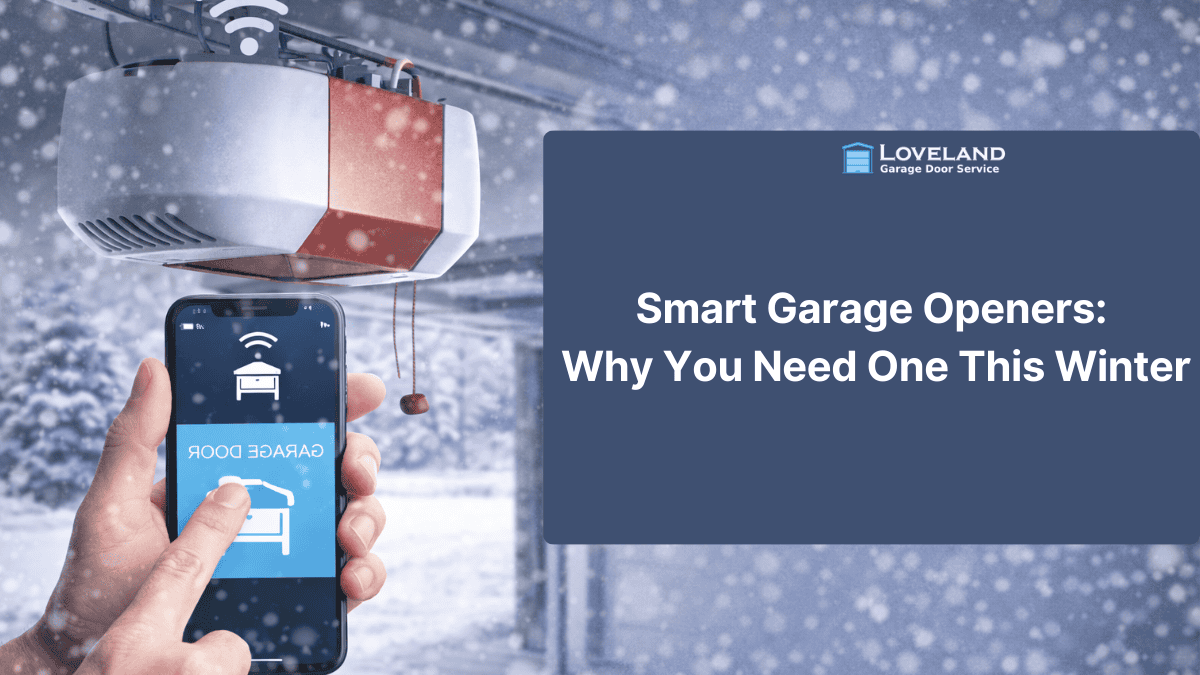
Smart Garage Openers: Why You Need One This Winter

smart garage opener controlled by smartphone in winter

Winter brings more than cold temperatures—it brings snow, ice, and unexpected hassles for homeowners. One of the most common winter frustrations is dealing with a garage door that won’t open when you need it most. This is where smart garage openers make a real difference.

A smart garage door opener adds convenience, safety, and reliability during cold weather. In this article, you’ll learn what smart garage openers are, how they work, and why upgrading before or during winter is a smart move.

What Is a Smart Garage Door Opener?

A smart garage opener connects your garage door to your smartphone using Wi-Fi. Through a mobile app, you can:

  • Open or close your garage door remotely
  • If the door is open, make sure that it is closed
  • Receive real-time alerts
  • Control access for family members or deliveries

These features become especially valuable in winter, when weather conditions are unpredictable.

Why Winter Is Hard on Traditional Garage Openers

Garage door systems are put under extra strain during cold weather:

  • Metal parts contract in low temperatures
  • Lubricants thicken, increasing resistance
  • Ice and snow add weight and friction
  • Power outages and voltage drops occur more often

Traditional openers may struggle under these conditions, leading to slow operation or failure. Smart garage openers are designed with modern motors, sensors, and monitoring features that help reduce winter-related issues.

Top Reasons You Need a Smart Garage Opener This Winter

  1. No More Standing Outside in the Cold

With a smart opener, you can open or close your garage door from your phone—whether you’re in your car, inside your house, or even away from home. This means:

  • No stepping out into snow or freezing wind
  • No struggling with frozen keypads or remotes

Convenience alone makes it a winter essential.

  1. Real-Time Alerts Improve Winter Safety

Smart garage openers send instant notifications if:

  • The door opens unexpectedly
  • The door is left open too long
  • There’s an interruption during operation

In winter, an open garage can quickly lead to frozen pipes, cold air entering your home, or security risks. Alerts help you act fast.

  1. Better Security During Short Winter Days

Winter means longer nights and reduced visibility. Smart openers enhance security by allowing you to:

  • Monitor garage activity remotely
  • Control access without sharing physical remotes
  • Close the door instantly if you forget

This added control provides peace of mind when daylight is limited.

  1. Reliable Performance in Cold Weather

Most smart garage openers use newer, more efficient motors and updated technology. Many models are designed to:

  • Operate smoothly in low temperatures
  • Reduce strain on the door system
  • Detect problems early through diagnostics

This leads to fewer winter breakdowns and smoother daily operation.

  1. Easy Integration with Smart Home Systems

Smart garage openers often integrate with:

  • Smart speakers
  • Home security systems
  • Smart lighting and cameras

For example, you can automatically turn on lights when the garage door opens—especially useful on dark winter evenings.

How Smart Garage Openers Help Prevent Winter Problems

A smart opener doesn’t just add convenience—it helps prevent common winter issues:

  • Alerts notify you before problems get worse
  • Monitoring helps detect unusual behavior
  • Reduced strain extends the life of springs and motors

Early awareness can save you from emergency repairs during freezing temperatures.

Is Your Garage Door Compatible with a Smart Opener?

There are a lot of smart openers available for garage doors today. However, the door must:

  • Be properly balanced
  • Have functional safety sensors
  • Be in good mechanical condition

If your door is old or struggling, upgrading the opener and servicing the door together delivers the best winter performance.

When Is the Best Time to Upgrade?

Winter is actually a great time to upgrade because:

  • You’ll immediately benefit from smart features
  • You avoid mid-winter failures
  • You improve safety and comfort right away

Waiting until spring may mean dealing with avoidable winter issues.

Final Thoughts

A smart garage opener is more than a convenience—it’s a practical upgrade that improves security, reliability, and comfort during winter. From remote access to real-time alerts, smart technology helps you stay in control when cold weather makes everyday tasks harder.

If you’re searching for a dependable garage door solution, call us (970) 367-8600 or contact us today. We can help you choose and install the right smart garage opener to keep your home safe, warm, and connected all winter long.

Categories Garage Door Tips

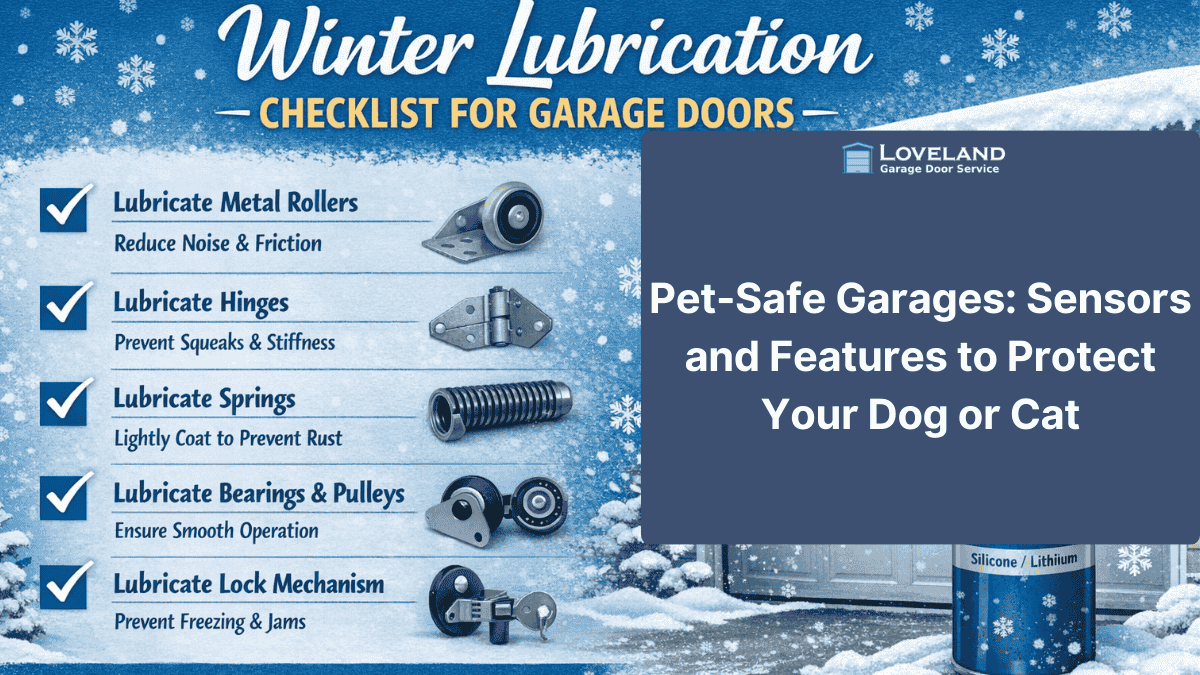
Don’t Let the Cold Win: A Winter Lubrication Checklist for Garage Doors

winter lubrication checklist for garage doors infographic

Winter is tough on garage doors. Freezing temperatures, moisture, and ice can turn a smooth-operating system into a noisy, sluggish, or completely stuck door. One of the simplest and most effective ways to prevent winter garage door problems is proper lubrication—done at the right time, on the right parts, with the right products.

This article provides a clear, homeowner-friendly winter lubrication checklist to help keep your garage door running safely and smoothly throughout the cold season. It focuses on simple, effective steps you can take to reduce wear, prevent freezing issues, and avoid unexpected winter breakdowns.

Why Winter Lubrication Is So Important

Cold weather affects garage doors more than most people realize:

  • Metal contracts, increasing friction
  • Old grease thickens and slows movement
  • Moisture freezes, causing parts to stick
  • Dry components wear out faster

Without proper lubrication, your garage door opener works harder, parts wear prematurely, and the risk of breakdowns increases—often on the coldest mornings.

When Should You Lubricate Your Garage Door?

The best time is late fall, before temperatures consistently drop below freezing. If winter has already started, you can still lubricate as long as the door is dry and above freezing during application.

Tip: Avoid lubricating during snow or rain, as moisture can trap dirt and reduce effectiveness.

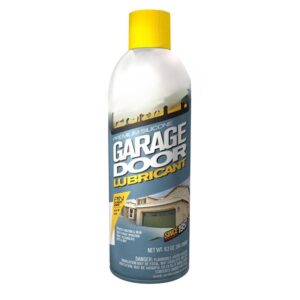
What Lubricant Should You Use?

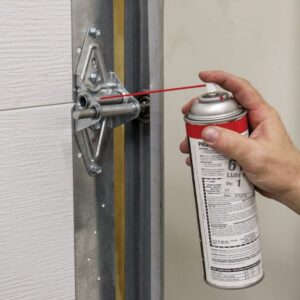
lubricating garage door rollers in winter

Use only:

  • Silicone-based spray lubricant, or
  • White lithium grease (garage-door safe)

❌ Avoid:

  • You don’t want to use WD-40 as a long-term lubricant, since it’s a cleaner
  • Heavy automotive grease
  • Oil that attracts dust and dirt

Using the wrong product can make winter problems worse.

Winter Lubrication Checklist for Garage Doors


garage door hinge lubrication cold weather

  1. Rollers (Metal Only)

Apply lubricant to the bearings inside metal rollers.

  • Reduces noise and resistance
  • Helps rollers move smoothly in cold weather

⚠️ Do not lubricate nylon rollers unless they have exposed bearings.

  1. Hinges

Hinges flex every time the door opens or closes.

  • Spray lubricant at pivot points
  • Prevents stiffness and squeaking

Well-lubricated hinges reduce strain on the entire door system.

  1. Springs (Torsion or Extension)

Garage door springs are especially vulnerable in cold weather.

  • Lightly coat the spring coils
  • Helps prevent rust and metal fatigue
  • Allows smoother expansion and contraction

Never adjust or repair springs yourself—lubrication only.

  1. Bearings and Pulleys

These parts often go unnoticed but are critical in winter.

  • Apply a small amount of lubricant
  • Prevents grinding and seizing

Quiet operation is a sign these parts are well maintained.

  1. Lock Mechanism (If Manual Lock Exists)

Cold weather can freeze locks.

  • Lubricate the locking bars and keyhole
  • Prevents jamming and corrosion

This is especially important for detached garages.

Parts You Should NOT Lubricate

  • Tracks: Clean them, but do not lubricate
  • Safety sensors: Keep lenses clean and dry
  • Belts or chains: Lubricate only if manufacturer recommends it

Lubricating the wrong parts can attract dirt and cause slipping.

Step-by-Step: How to Lubricate Safely

  1. Close the garage door fully
  2. Disconnect the opener (optional but safer)
  3. Clean dirt and debris from parts
  4. Apply lubricant lightly—less is more
  5. Open and close the door a few times to spread lubricant
  6. Wipe away excess spray

The entire process usually takes 15–20 minutes.

Signs Your Garage Door Needs Lubrication Now

  • Loud squeaking or grinding sounds
  • Jerky or slow movement
  • Door struggles to open in cold mornings
  • Increased vibration during operation

If you notice these signs, lubrication should be done immediately.

How Often Should You Lubricate in Winter?

  • Once before winter starts
  • Once mid-winter if temperatures are extreme
  • Any time the door becomes noisy or stiff

Regular lubrication extends the life of your garage door system.

Final Thoughts

Cold weather doesn’t have to win. If your garage door is properly lubricated, it will operate quietly, safely, and reliably, even during winter. By following this winter lubrication checklist, you reduce wear, prevent breakdowns, and protect your investment all season long.

If you’re searching for a dependable garage door solution or prefer professional winter maintenance, call us (970) 367-8600 or contact us today. Expert care ensures your garage door stays smooth, secure, and winter-ready when you need it most.

Categories Garage Door Tips

Pet-Safe Garages: Sensors and Features to Protect Your Dog or Cat

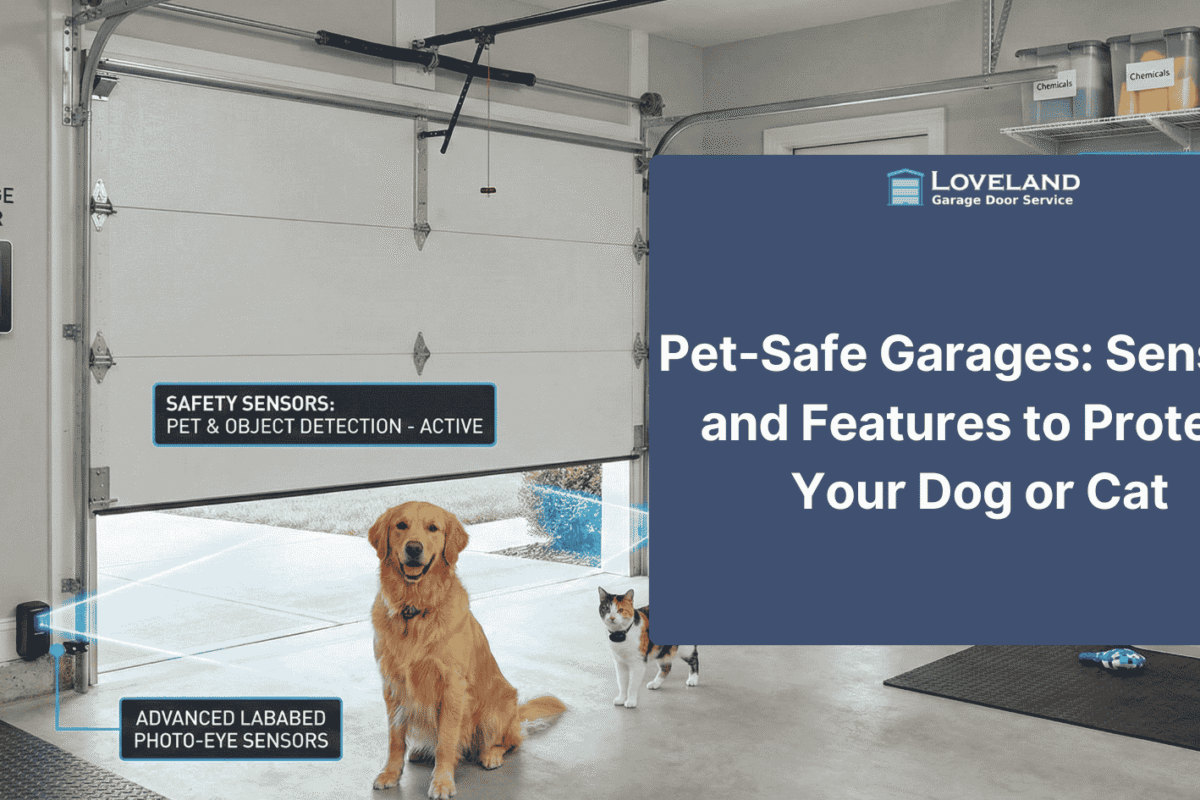
A Golden Retriever sitting safely inside a garage with the door open

For many of us, the garage is the main entryway to the home. It’s where we load the car for vet visits, wipe muddy paws after a walk, and store the kibble.

But for a curious dog or a hiding cat, the garage can also be one of the most dangerous rooms in the house.

Between the heavy moving equipment, the temperature fluctuations, and the hazardous chemicals often stored there, a standard garage isn’t naturally “pet-proof.” The good news is that with a few adjustments and modern safety features, you can turn this danger zone into a safe space.

Here are the essential sensors and features you need to protect your four-legged family members.

1. The "Invisible Wall": Photo-Eye Safety Sensors

The most critical safety feature on your garage door is the pair of “photo-eye” sensors located at the bottom of the tracks. These shoot an invisible beam across the opening; if the beam is broken, the door automatically reverses.

The Pet Problem:

By federal law, these sensors must be mounted no higher than 6 inches off the ground. However, over time, they can get bumped out of alignment or moved higher by homeowners trying to sweep the floor. If the beam is too high, a small Chihuahua or a crawling kitten could walk right under it without triggering the safety reverse.

The Fix:

  • Measure the Height: Ensure your sensors are mounted no higher than 6 inches from the floor.
  • Test Monthly: Place a roll of paper towels or a small box in the doorway and close the door. If it hits the object without reversing, your sensors need adjustment or replacement immediately.

3. The "Cat Check": Heat & Hiding Spots

Cats are notorious for seeking warmth, and a car engine that has just been turned off is a magnet for them. Tragically, cats often crawl up into the wheel well or under the hood to sleep.

The Feature:

While there isn’t a high-tech sensor for this yet, the “feature” here is a habit.

  • The Hood Thump: Get in the habit of banging on your car hood or honking the horn before you start the engine if you park in the garage.
  • Top of Door Check: Cats also love high vantage points. Before you hit the opener button, glance at the top of the open garage door. If a cat is sleeping on top of the door (which is horizontal when open), they can be crushed or pinched when the door starts to close and turns vertical.

4. Temperature Control: Insulation is Key

Garages are often unconditioned spaces. In the summer, they can become ovens; in the winter, freezers.

If you kennel your dog in the garage or keep the litter box there, insulation is a safety feature.

  • Insulated Garage Doors: A door with a high R-value helps stabilize the temperature, preventing heatstroke in summer or hypothermia in winter.
  • Ventilation: Consider installing a sidewall vent or an exhaust fan to keep air circulating.

5. Chemical Safety: The Antifreeze Danger

This isn’t a sensor, but it is the #1 cause of garage-related pet poisoning. Ethylene glycol (antifreeze) smells and tastes sweet to dogs and cats. Even a teaspoon can be fatal.

The Fix:

  • Switch Products: Switch to a propylene glycol-based antifreeze, which is less toxic.
  • High Shelving: Store all chemicals in high cabinets that are latched. Never leave bottles on the floor.

The Bottom Line

Your automatic garage door is the largest moving appliance in your home. By ensuring your sensors are low enough to detect a paw, adding a camera for visual checks, and managing the temperature, you can ensure your pets stay happy, healthy, and safe.

Need a Safety Check for Your Furry Friends?

If you want to ensure your garage is as safe as possible for every member of your family—including the four-legged ones—we are here to help. Whether you need to realign your safety sensors, upgrade to a smart camera opener, or simply need a routine maintenance check, our team provides reliable, pet-friendly garage door solutions. Call us (970) 367-8600 today to schedule your safety inspection and get peace of mind!